As artificial intelligence increasingly shapes how consumers discover, assess, and choose brands, marketing is entering a phase defined by structural change rather than incremental optimization. Within this transition, Jiani Luo has gained recognition for her contributions to global marketing practice—combining sustained market performance with a growing role in industry-level strategic discourse.
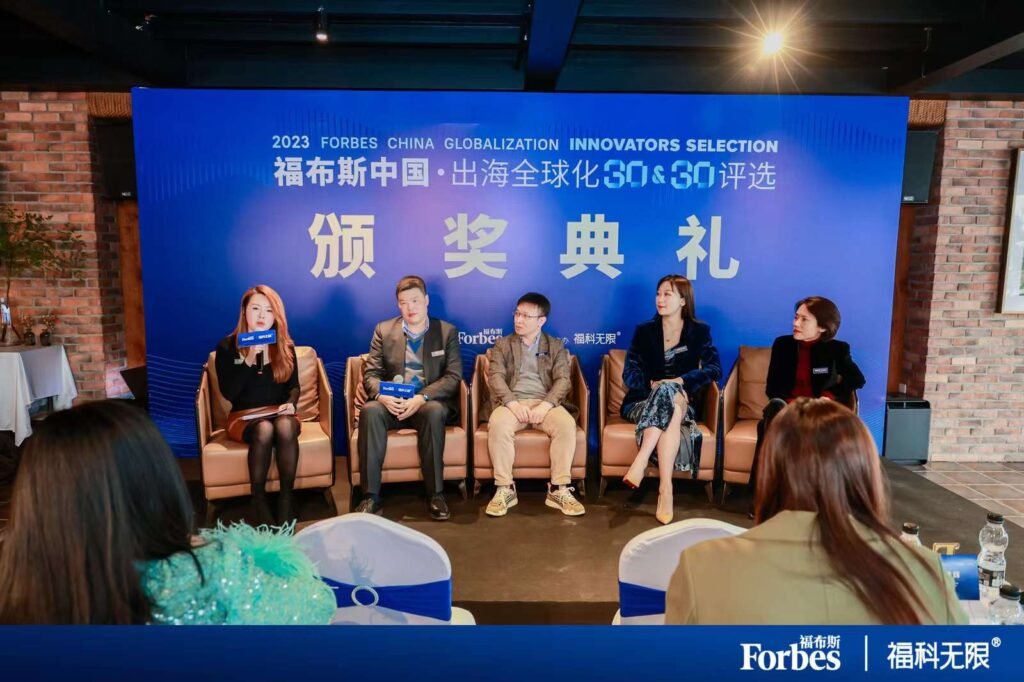
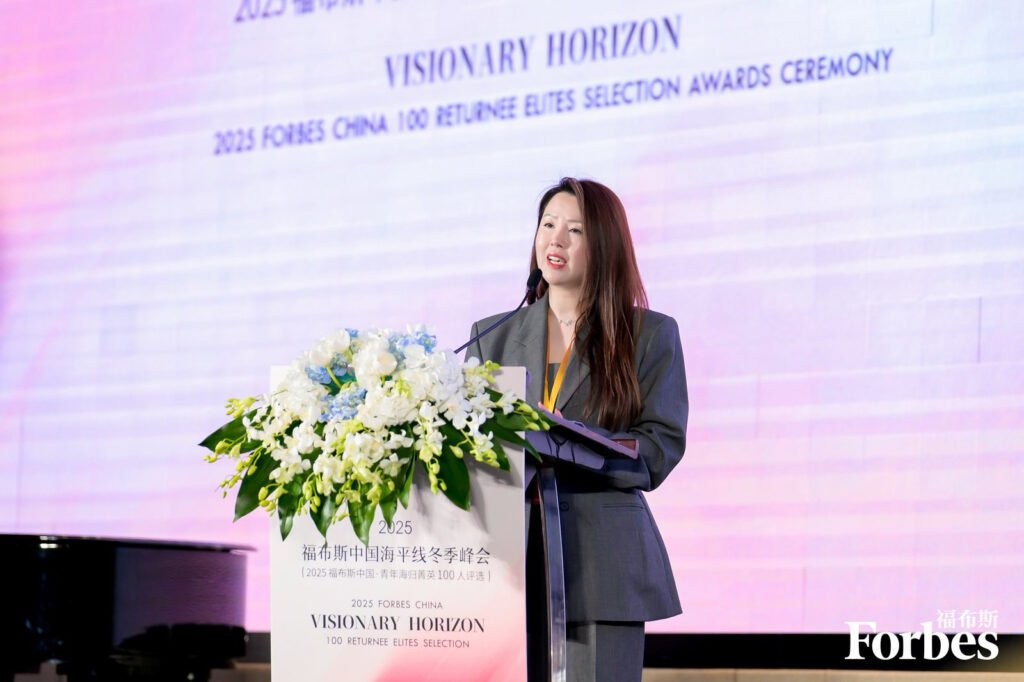
At a recent Forbes China–hosted marketing summit, Luo was invited to deliver an independent keynote examining how AI is reshaping the foundations of marketing strategy. Her participation reflected both her track record across competitive consumer markets and the relevance of her perspective as organizations reconsider how value is created and evaluated in algorithm-driven environments.
Credibility Built Through Market Execution
Luo’s influence is grounded in extensive work across the U.S. consumer market, where platform dynamics and intelligent systems play an increasingly central role in shaping outcomes. Her marketing frameworks have been applied across food and beverage, beauty, lifestyle, and experience-based categories, supporting brands including Haidilao (U.S.), HEYTEA (U.S.), Qbedding, WEI Beauty, Maiko Matcha, FunZ Trampoline Park, and Nova Trampoline Park.
Rather than relying on short-lived activations, these initiatives emphasized repeatable systems designed to perform consistently across channels, algorithms, and market cycles. The results included sustained revenue growth, deeper consumer engagement, and improved brand stability in highly competitive environments.
This body of work positioned Luo not only as a practitioner delivering measurable outcomes, but as a strategist addressing systemic challenges facing modern marketing organizations.
Rethinking Marketing When AI Becomes the First Evaluator
In her Forbes keynote, Luo explored how marketing strategy must adapt when AI platforms increasingly serve as the first point of evaluation—screening options, ranking relevance, and shaping early perceptions before consumers engage directly.
She argued that effectiveness in this environment can no longer be assessed by content output, media investment, or execution speed alone. Instead, competitive strength depends on whether brands can remain:
● Legible to intelligent systems, enabling accurate interpretation and classification
● Credible over time, supported by stable and reinforcing trust signals
● Relevant within specific decision contexts, rather than relying on generalized exposure
Luo emphasized that AI does not compress differentiation. On the contrary, it magnifies structural differences between brands—rewarding those with coherent architecture and penalizing fragmented, tactic-driven approaches.
Designing Marketing as a System, Not a Series of Tactics
A central theme of Luo’s address was the industry’s shift from tactical refinement toward system-level design. As automation standardizes content creation, performance optimization, and media execution, these functions alone are no longer sufficient to sustain advantage.
Instead, Luo outlined a strategic focus on:
● Cross-platform brand clarity that remains stable across interfaces and algorithms
● Trust structures that accumulate rather than reset with each campaign
● Alignment between brand presence and real-world decision and usage pathways
Under this model, marketing functions as an operating framework—capable of maintaining effectiveness amid platform evolution, algorithmic change, and shifting discovery behavior.
Connecting Practice With Strategic Leadership
What distinguished Luo’s Forbes keynote was its integration of practical U.S. market outcomes with forward-looking strategic insight. By grounding abstract questions about AI and marketing in concrete systems and performance data, her contribution resonated with industry leaders navigating uncertainty across global markets.
Her role as an independent speaker underscored a broader shift in how marketing leadership is defined—one that values not only executional capability, but also the ability to articulate how the discipline itself must evolve.
Advancing Marketing in an Algorithmic Economy
As AI continues to influence how trust is formed and choices are made, Jiani Luo remains focused on advancing marketing as a discipline centered on structural clarity, system intelligence, and long-term relevance. Through continued industry practice and participation in high-level forums, her work reflects a growing emphasis on a core principle of modern marketing: in an AI-mediated economy, brands must be built to be understood—by systems as well as by people.